


Newsletter Spring 2025
Fatalities: A stark reminder of the responsibilities we accept when working in the outdoors
Deaths during activity sessions and subsequent prosecutions serve as a stark reminder of the importance of safety being managed by competent individuals.
Whether you are managing, delivering, checking, or preparing activities, it is essential to ask yourself if you are competent for your role.
- Have you identified all foreseeable & significant risks?
- Have you developed management procedures, and do they work effectively in daily practice?
- Have you consulted with experts familiar with these activities and locations?
- Do you and your instructors understand the intended outcomes and possess the competence to apply them?
Answering ‘yes’ to all these questions should be the minimum standard for everyone involved.
SUP fatalities on Haverfordwest weir
Nerys Lloyd, who was the owner and sole director of Salty Dog Co Ltd, was jailed for a total of 10-and-a-half years for the gross negligence manslaughter of Paul O’Dwyer, 42, Andrea Powell, 41, Morgan Rogers, 24, and Nicola Wheatley, 40, following their deaths in Haverfordwest Town Weir on 30 October 2021.
Key messages:
- Failure to appoint competent persons to advise on safety when providers do not have such competence themselves.
- Failings in the process of assessing risk.
- A lack of competence in the environment of those deployed to deliver the activity.
Snowdome death
The HSE have prosecuted the Tamworth Snowdome following the death of a child in 2021.The company was fined £100,000.
Key messages:
- This was about shortcomings in the risk assessment.
- We don’t know how they carried it out, but whatever method they used, it seems they failed to identify the risk of a slope user colliding with someone inspecting the slopes.
Nathan Cook, senior enforcement lawyer for HSE said: “Louis went to a friend’s birthday party at the Snowdome and should have returned home safely to his family after an enjoyable occasion.
“This should act as a reminder that venues and employers must ensure suitable and sufficient risk assessments are in place and employees are provided with sufficient safe systems of work, information, instructions, training, and supervision.
Boogie board fatality
Outdoor Pursuits Scotland Ltd pled guilty to a breach of health and safety legislation following the death of a child on the River Tay in Scotland.
The company was fined £10,000 at Perth Sheriff Court in October 2024. An investigation by Perth and Kinross Council found that the company’s risk assessment for river boarding did not have adequate health and safety control measures in place.
Myth-busting – Are site visits still required by AALA?
We have heard a rumour that providers believe AALA no longer require site visits – but this is not true!
The regulations clearly state that inspectors must review ‘any such places, equipment and documents’ as they deem necessary. If an inspector cannot be satisfied without a visit, then there must be a visit.
The new AALA approach gives Adventure RMS more flexibility to make a judgement. Inspectors now have a wider range of tools and options to ensure your arrangements meet the regulations.
The inspector’s role remains to conduct a thorough, proportionate and efficient review of your licence application – whatever that may require.
Which activities can go on an AALA licence?
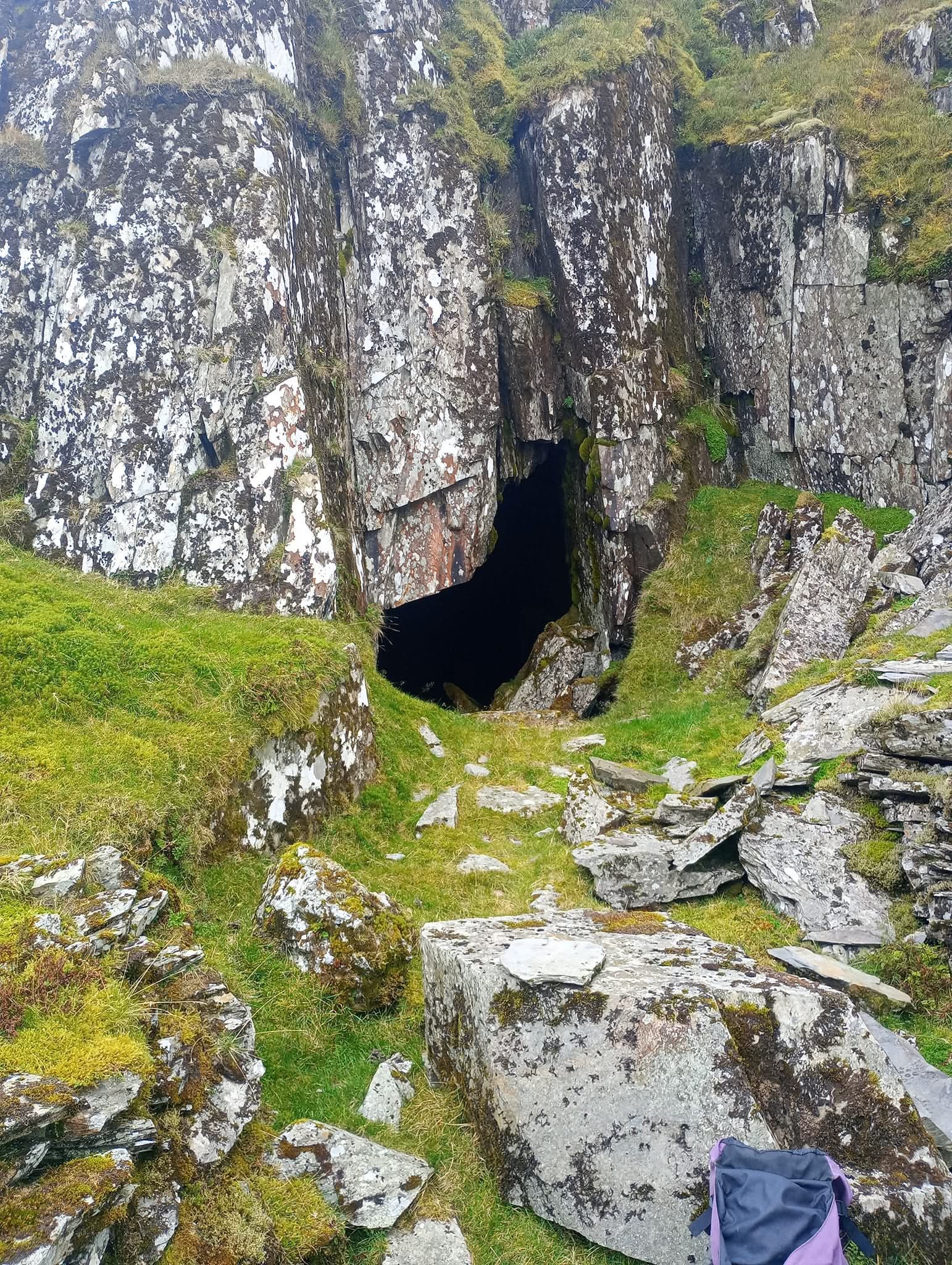
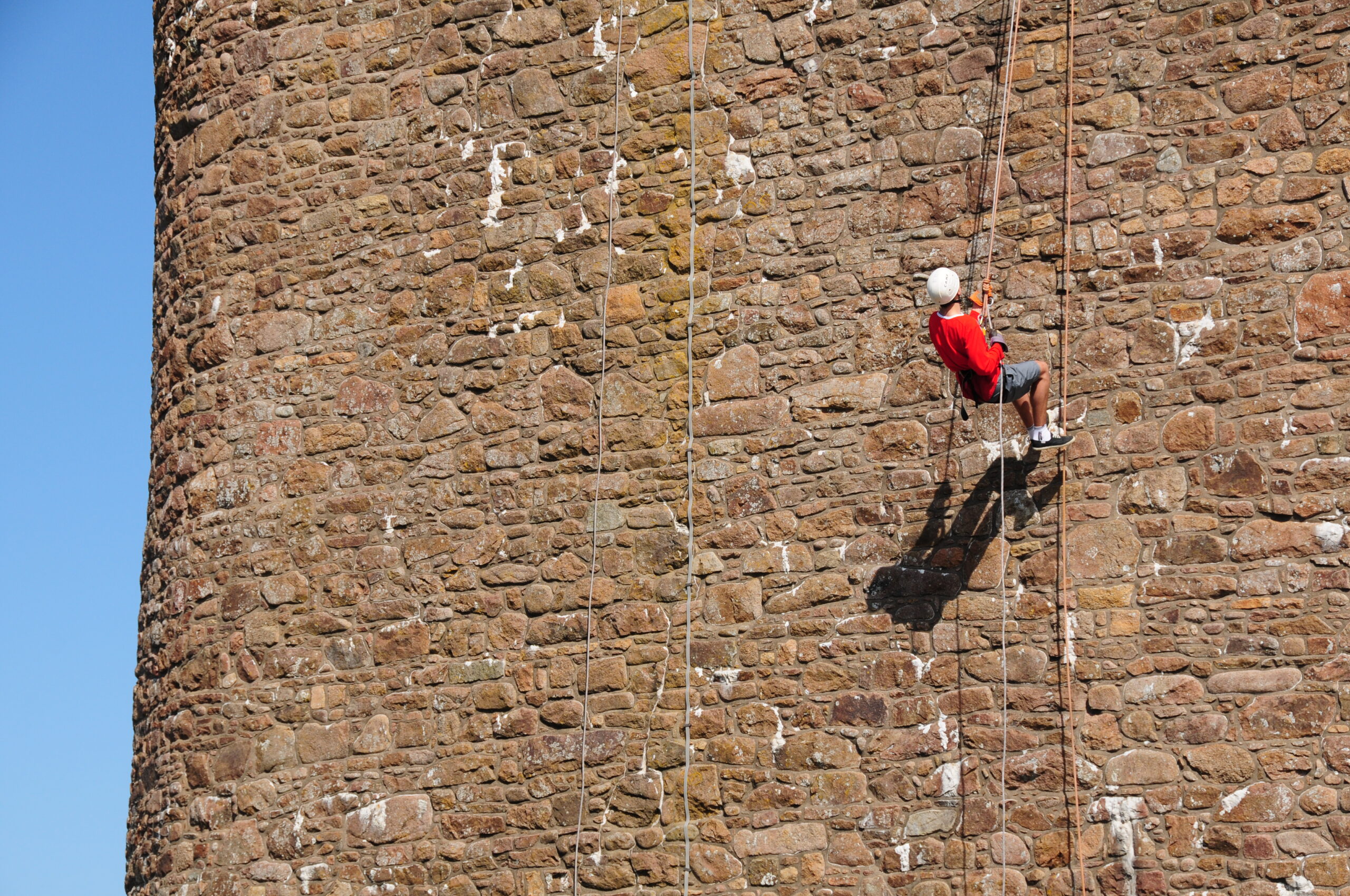
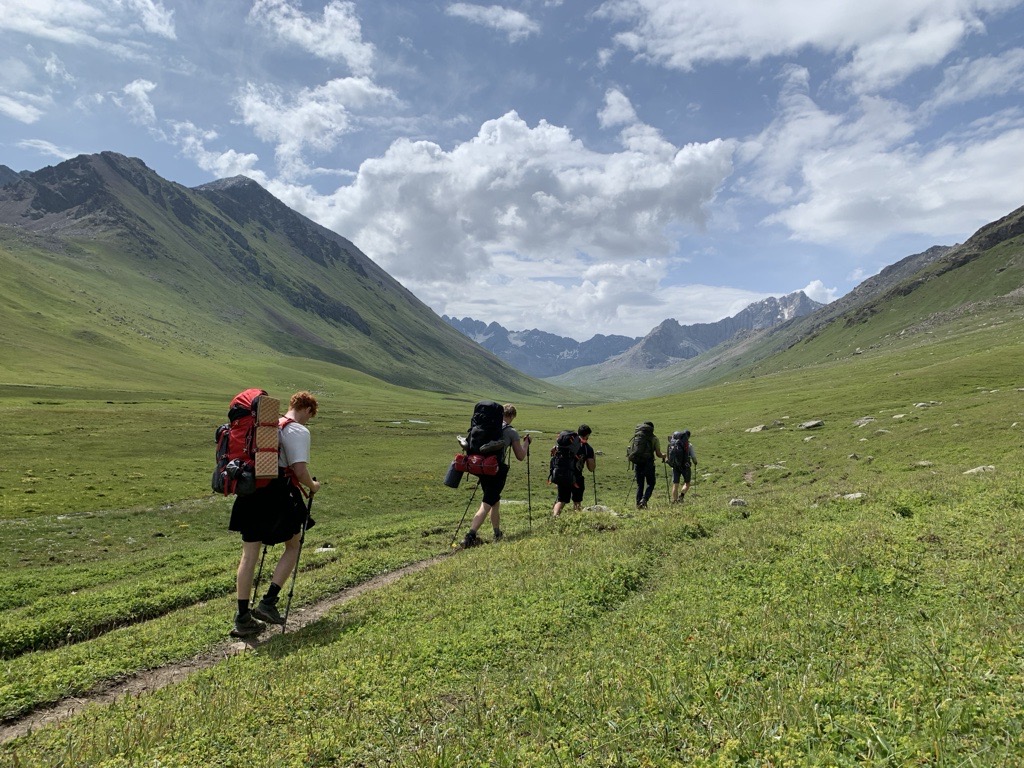
The regulations recognise just four licensable activities: climbing, caving, trekking and watersports.
We often use various terms to describe similar activities, and AALA has addressed this with a list of ‘specified activities,’ which are essentially forms of licensable activities. For instance, activities like ‘coasteering,’ ‘gorge walking,’ ‘bouldering,’ or ‘scrambling’ are considered licensable only if they include ‘climbing’ as defined in regulation 2 of the HSE Licensable Activities.
If you deliver an activity labelled as ‘mountaineering’ that meets the definition of climbing under regulation 2, and the inspector is satisfied in all other respects, it can be listed on the licence as ‘mountaineering’.
Which BCAB/Paddle UK qualification does my instructor need?
The British Canoeing Awarding Body (BCAB) qualifications aim to support individual paddlers and the diverse needs of paddlesport.
However, they are not intended to be a simple checklist for adventure activity providers asking, “What qualification do my instructors need?”
Instead, providers should consider the fundamental question: ‘What specific experience, skills, and knowledge are essential for my instructors to safely work with our clients on our particular waters, within our overall safety framework?’
After defining these core competencies, providers can determine the best way to evidence that their instructors possess them. While BCAB awards can be a useful component of this evidence, they are unlikely to be the sole determinant.
Ultimately, the responsibility for ensuring instructor competency rests with the provider.
Developments at Mountain Training
Mountain Training published their ‘2024 Safety Report’ in February, highlighting the importance of preparation, awareness and responsible behaviour in reducing accidents and ensuring a safe outdoor experience. In March, they announced a new bouldering wall instructor qualification – not directly related to the regulations but potentially of interest to providers.
Get your AALA application right first time!
Top tips from the HSE for getting your application through without delay:
- Make sure you know who you are! Using inconsistent or unclear legal entity details is the biggest cause of delayed applications.
- File sharing systems & links are problematical – better to use individual attachments
- Where you have provided attachments make sure they are given electronic file names that clearly match the ones used in the application form
- Don’t provide information or attachments which are not relevant to your application and/or the regulations
- Remember the application cannot be actioned until it has been accepted (not just received) and you have paid the fee
- If your application isn’t accepted and the fee paid no less than 3 months before the expiry of your current licence, there could be a gap between licences when you would be unable to legally provide in-scope activity
- Just like the MOT on your minibus, it is your responsibility (and not AALA’s) to be on top of this!
Longer licences
The new January 2025 model introduced by the HSE aims to recognise a provider’s track record.
Providers will transition to a 3-year licence, with an additional year added at each renewal, as long as they:
- Demonstrate compliance at renewal (without having an application initially refused)
- Have not faced any type of enforcement action
This doesn’t imply you are now considered to be ‘safer’, or that your legal responsibilities have lessened. Instead, it means you won’t need to prove compliance with the regulations as frequently as before, at least not to the licensing authority.

Scan to read online