



What does the Grossglockner tragedy mean for adventure leadership?
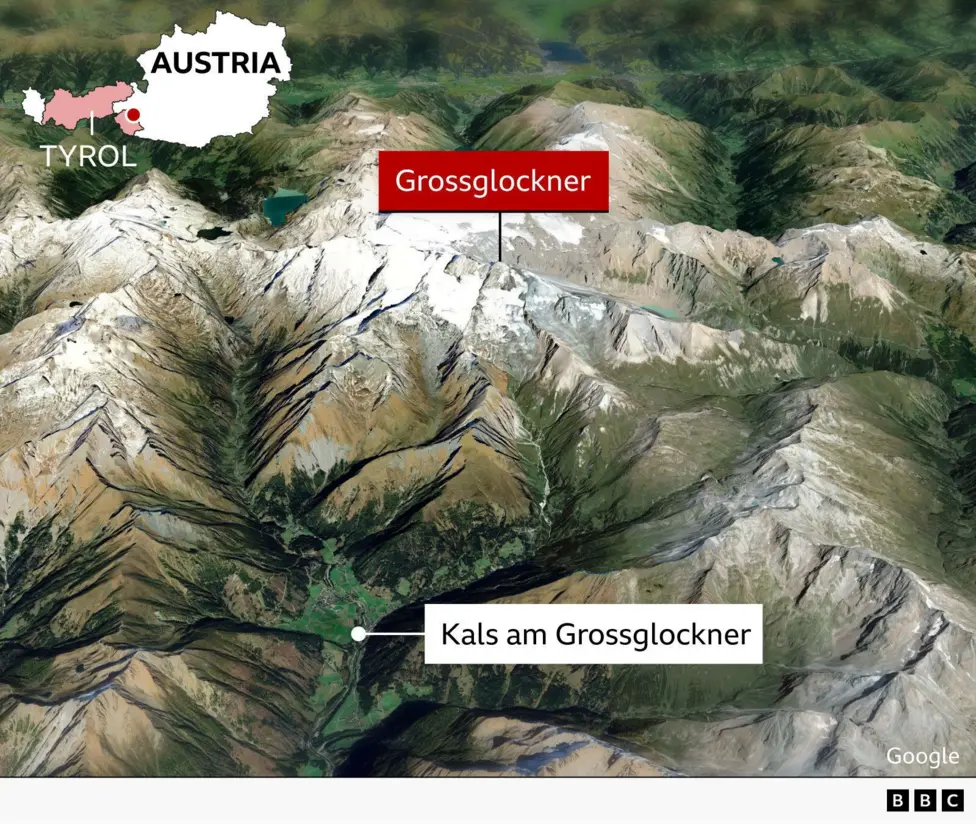
An Austrian climber, Thomas P, has been found guilty of gross negligent manslaughter. The trial, following the death of 33-year-old climber Kerstin G on the Grossglockner in January 2025, has captured the attention of mountaineers and outdoor professionals across Europe.
Read the full BBC article here
It is a deeply human tragedy: a woman who loved the mountains lost her life to hypothermia near the summit of Austria’s highest peak; her partner, Thomas P, has now been convicted of gross negligent manslaughter.
Beyond the courtroom, the case has prompted a wider conversation about responsibility, judgement, and the boundaries of criminal liability in adventurous activities.
A climb that went fatally wrong
According to prosecutors, the couple set out late, in challenging winter conditions, on a route at altitude, and of a level of difficulty that Kerstin had not previously attempted. They argued that Thomas, the more experienced mountaineer, effectively acted as the ‘responsible guide for the tour’ and made a series of poor decisions: allowing unsuitable footwear, carrying insufficient emergency equipment, and failing to turn back when winds reached 74 km/h and temperatures dropped to –20°C with windchill.
The defence disputed this characterisation, insisting the pair planned the ascent together, were fit, experienced, and progressing well until Kerstin suddenly became exhausted near the summit. From there, accounts diverge sharply: prosecutors say he delayed calling for help and left her unprotected; the defence says he sought help as soon as the situation deteriorated and did everything he could.
What is uncontested is the outcome. Kerstin died alone on the mountainside while rescue teams were unable to reach her due to severe weather.
Why this case matters for the adventure sector
For many in the outdoor community, the verdict raises a difficult question: when does a tragic misjudgement become a criminal act?
The guilty verdict could set a precedent in Austria—and potentially influence thinking elsewhere—about the extent to which a more experienced participant becomes legally responsible for a less experienced companion, even in informal, non-commercial settings.
Our perspective as the UK’s adventurous activities safety inspectorate
Adventure RMS approaches cases like this with care and humility. We do not comment on specifics, but we can reflect on the broader themes that resonate across the sector.
Competence, assessment of risk, and dynamic decision-making are the backbone of safe adventure.
Whether in the UK or abroad, leaders—formal or informal—carry a responsibility to match the demands of the activity with the capabilities of the group. That responsibility is not about eliminating risk; it is about managing it with clarity, honesty, and foresight.
For UK providers and leaders, the trial and verdict are a reaffirmation that these points remain essential:
- competence – of those planning, delivering and undertaking the activity
- assessment of risk
- ongoing decision making
- clear communication
These principles protect participants, support leaders, and uphold the integrity of adventurous activities.
The verdict, and the conversation it has sparked—about responsibility, competence, and the ethics of leadership in high-risk environments—is one all thoughtful leaders will no doubt continue to engage with.

Scan to read online