


Water quality & weather conditions
Thoughts from Adventure RMS Inspector Jan Bailey
Over many years of inspecting applications for an Adventure Activities Licensing Authority (AALA) licence, I’ve noticed a curious pattern—what I call the ‘London Bus’ syndrome. You don’t see a particular issue for ages, and then suddenly, it pops up again and again during application reviews.

Sometimes the reason is obvious: an accident, a report, a news item, or even a conversation among activity providers or inspectors can raise awareness. At other times, it is a mystery. But regardless of the cause, recurring themes do emerge—and I thought it might be useful to share some observations.
For this short article, I’m focusing on two issues that cropped up frequently in 2025. Neither is new, but both have been front of mind for providers and inspectors lately.
Water quality: are you prepared?
Living in Devon, I am regularly reminded of the risks posed by contaminated water. Local news stories often report discharges into the sea and rivers, algal blooms in lakes, and cases of leptospirosis in canals. While it should not take a headline to prompt action, these stories do serve as timely reminders.
From a safety management perspective, water quality should be treated as a hazard—a risk to both staff and clients. As with any other foreseeable and significant hazard activity providers are expected to have control measures in place which will reduce these to an acceptable level. I’ve highlighted the kinds of questions inspectors tend to ask, so you can reflect on your own responses:
- Do you monitor alerts from your local Water Authority or other relevant organisations?
- What is your plan if contamination is reported?
- Do you check testing results for lakes and rivers you use?
- Are you aware of what other providers in your area are doing?
- Do your staff know how to respond if they notice contamination during a session?
These are not just theoretical questions—they are the kind inspectors are likely to ask.
The Royal Yachting Association (RYA) and Paddle UK are both providing useful information and practical guidance about water quality, perhaps recognising the challenges providers face. This is freely available to everyone:
RYA: Water Quality Guidance | Environment & Sustainability
Paddle UK: Water Quality – Don’t get sick doing what you love | Paddle UK
Weather conditions: what’s your cut-off?
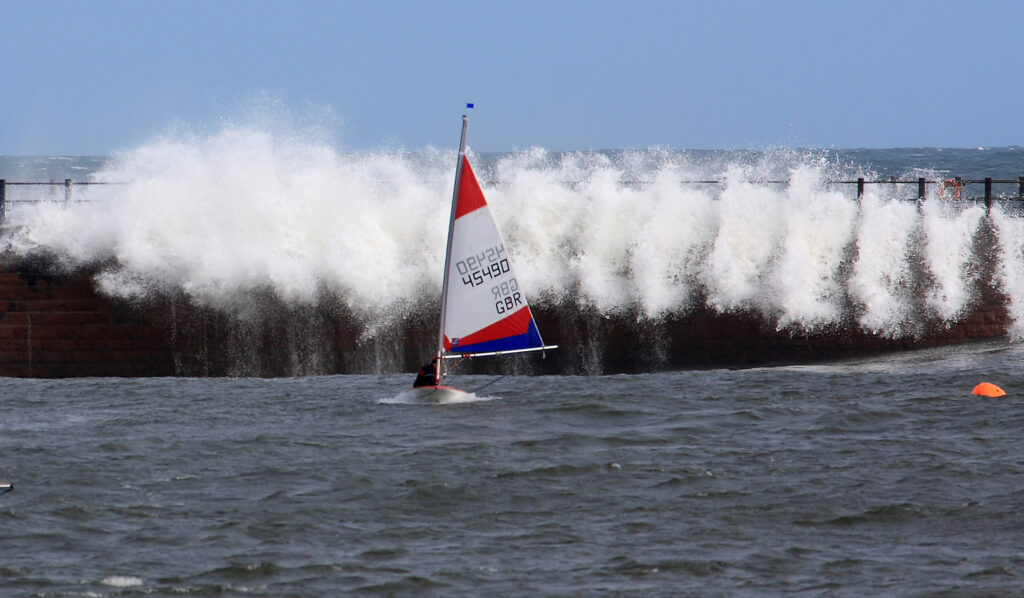
Weather-related risks are another recurring theme. Think wind direction and strength, lightening, heavy rain, water temperature, and rising water levels. Inspectors often ask about the conditions that would lead you to curtail, modify or cancel an activity.
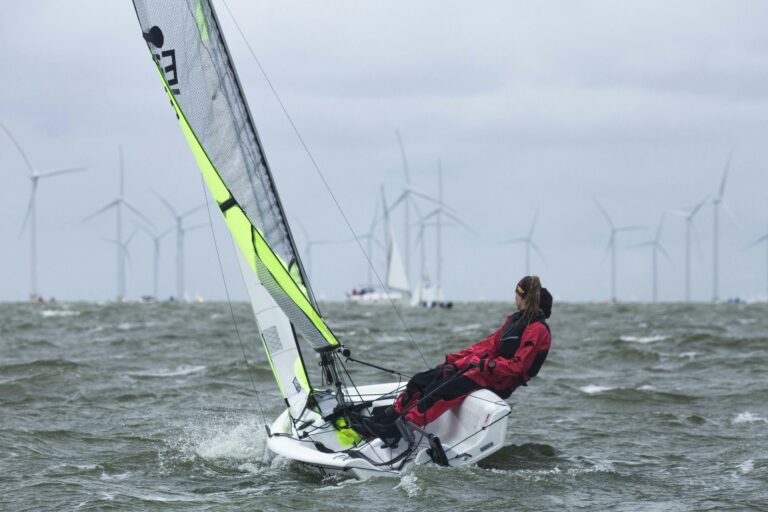
Some prompts to reflect on:
- What wind strength and direction combinations would cause you to cancel or relocate?
- How do you measure wind strength—forecast, on-site checks, both?
- What is your threshold for river height before limiting gorge walking?
- How cold is too cold?
- Go / No go – who decides and when?
- What is your protocol if conditions worsen in the lead-up to, or mid-activity?
- Do instructors know what to do, and do they have a realistic alternative ready?
- Does what you do, match what you say you’ll do (your operating procedures and/or risk assessments)
Again, these are not boxes to tick—they are part of a broader framework for sound decision-making.
‘I’m not sure what the hot topics of 2026 will be, but given our changing climate, water quality and extreme weather are likely to remain as reoccurring themes!’

Scan to read online