


Sharing information can help others benefit from your experience
Learning from accidents, incidents and near misses is a valuable way to strengthen safety across the adventure sector. The opportunities to do so are changing and expanding.
Several organisations have introduced new or easier ways to make reports and the Health and Safety Executive (HSE) has just launched a consultation on major changes to RIDDOR.
Some reporting is a legal requirement. Under the Reporting of Injuries, Diseases and Dangerous Occurrences Regulations (RIDDOR), providers must report specified injuries, dangerous occurrences and certain work‑related illnesses to HSE.
Beyond legal duties, there are valuable ‘good practice’ routes for sharing incidents and learning. The Institute for Outdoor Learning (IOL) continues to develop sector-wide mechanisms for voluntary reporting and shared learning. Many activity-specific organisations also provide opportunities to share information about incidents as a way to build collective insight.
There are more ways to report — and learn from — things that go wrong in outdoor adventure than most providers realise. Some are formal, some are voluntary, and some sit in the middle as sector‑led initiatives.
1. Statutory reporting
(legal requirements)
The HSE has launched a significant public consultation to modernise and clarify the rules, including proposals to update definitions, expand the list of dangerous occurrences, revise reportable diseases, and simplify the online reporting form to reduce both under‑ and over‑reporting.
These changes aim to make reporting clearer, more consistent and more reflective of modern risks.
2. Sector‑wide voluntary reporting
These routes are not mandatory but are increasingly supported — and extremely valuable.
Institute for Outdoor Learning (IOL) – ‘Collective Knowledge Project’
A major UK‑wide initiative developing a sector‑wide incident‑reporting and participation snapshot system. Its aim is to identify trends, curate learning, and share knowledge and information widely across the sector.
A research‑driven report marks the conclusion of Phase 1: ‘Collective Knowledge – Evidencing the practice that keeps people safe’. Its aim is to collect and analyse incident data across the UK adventure sector, addressing challenges like workload, liability, and harmonising data fields across activity types.
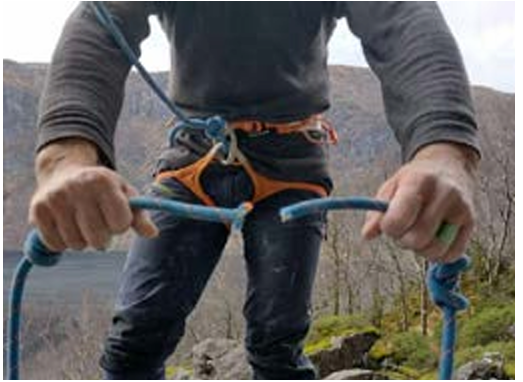
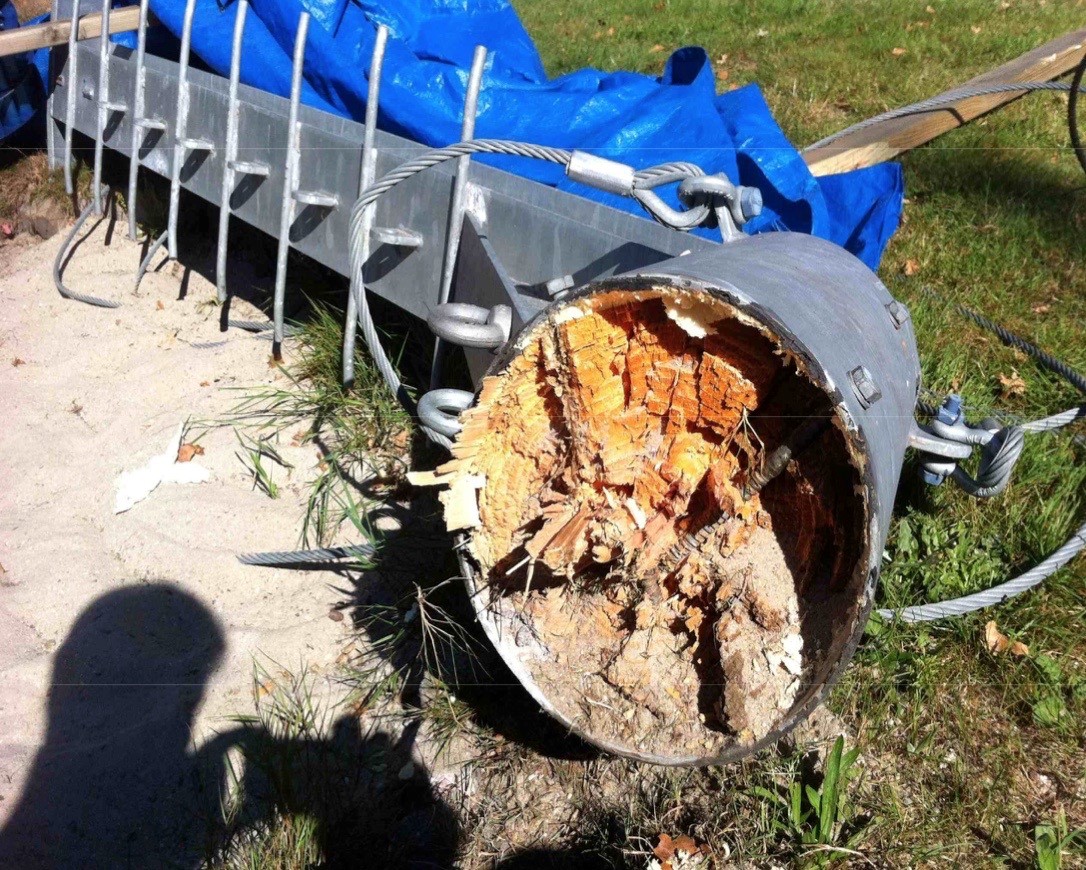
It can be tempting to describe incidents and near misses as unique or ‘one-off’ but often the same or similar events have happened elsewhere. An awareness of the occasions when climbing ropes have failed or high ropes structures have collapsed, for example, can help others avoid similar incidents.
3. Activity‑specific reporting schemes
Some governing bodies and other associations also provide reporting systems, often focused on near misses as well as accidents:
BMC Incident & Near‑Miss Reporting — The BMC Incident and Near Miss Reporting system is a collaborative effort between the British Mountaineering Council and Mountaineering Scotland to enhance safety in the UK and Ireland. The system allows individuals to report near misses and incidents, to promote learning and improve safety practices. The system is designed to encourage community engagement, educate new climbers, and provide valuable lessons from past experiences. The latest reported incidents can be viewed in detail here.
Paddle UK, British Stand Up Paddle Association & Surfing England – This online incident reporting system is open to all (members & non-members) and provides an opportunity to report safety or access issues occurring during all paddling and surfing activity. The intention is to use reports to help understand the types of incidents which occur, spot trends and inform guidance which addresses safety issues and concerns. The emphasis is on learning from what may have gone wrong, to try and prevent similar accidents happening in the future.
The Royal Yachting Association, British Caving Association, Mountain Training & Association of British Climbing Walls — all have mechanisms for reporting and sharing learning focusing on the activities they support or promote.

Scan to read online