



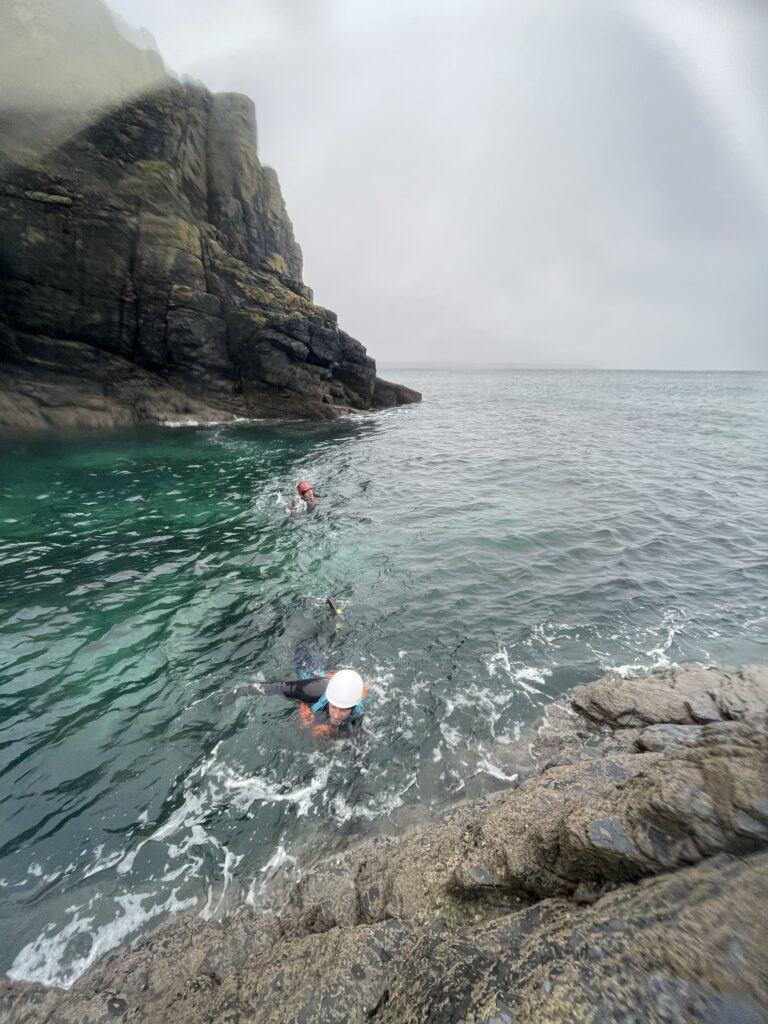
Water temperatures that may demand extra vigilance
As providers prepare for staff training, induction and refresher sessions ahead of the 2026 season, it is important to recognise that UK water temperatures are typically at their coldest in February and March. During this period, cold‑water shock presents a significant and often underestimated risk for anyone working on or in the water.
Cold‑water shock is the body’s immediate and involuntary response to sudden immersion in water below 15°C. According to Paddle UK, these first moments can trigger an uncontrolled gasp, rapid breathing, a sharp rise in heart rate and blood pressure, and a loss of swimming ability. Even strong swimmers can inhale water or become incapacitated within seconds, increasing the risk of drowning.
The RNLI highlights that average UK and Irish coastal waters remain around 12°C for much of the year, with inland rivers often colder still. Importantly, cold‑water shock is not the same as hypothermia; it occurs immediately and can be fatal in minutes. The RYA emphasises that fitness and experience do not protect against this physiological response, making effective preparation and training essential for staff early in the season.
Clear, consistent messaging is vital. The RNLI’s ‘Float to Live’ campaign advises people who enter cold water unexpectedly to relax, control their breathing, and float on their back for 60–90 seconds until the shock subsides. RoSPA reinforces the importance of wearing appropriate buoyancy aids, checking conditions in advance, and ensuring people know how to respond before an incident occurs.
Embedding cold‑water shock awareness into staff training not only reduces risk but supports safer decision‑making throughout the season.

Scan to read online