


Emerging risks the sector can't ignore.
Climate change is no longer a distant concern for the outdoor sector. It is already shaping how activities are delivered, and in some cases, redefining the risks providers need to manage.
For adventure providers, this isn’t just an environmental issue. It is an operational one.
A changing risk landscape
One of the most visible impacts is the increase in extreme weather events.
Many organisations are already adapting to changing conditions. However, the pace and nature of environmental change mean that assumptions based on historical patterns may no longer be sufficient. Heatwaves, changing rainfall patterns, increasingly sporadic winters, evolving disease risks and increasingly unpredictable weather conditions are all creating new challenges for activity planning and delivery.
“The question is no longer whether climate change will affect outdoor activities, but how prepared providers are to respond.”
Heat and welfare
Heatwaves are becoming more frequent and more intense. For many outdoor providers, managing high temperatures is no longer an occasional consideration but an increasingly regular part of activity planning and delivery.
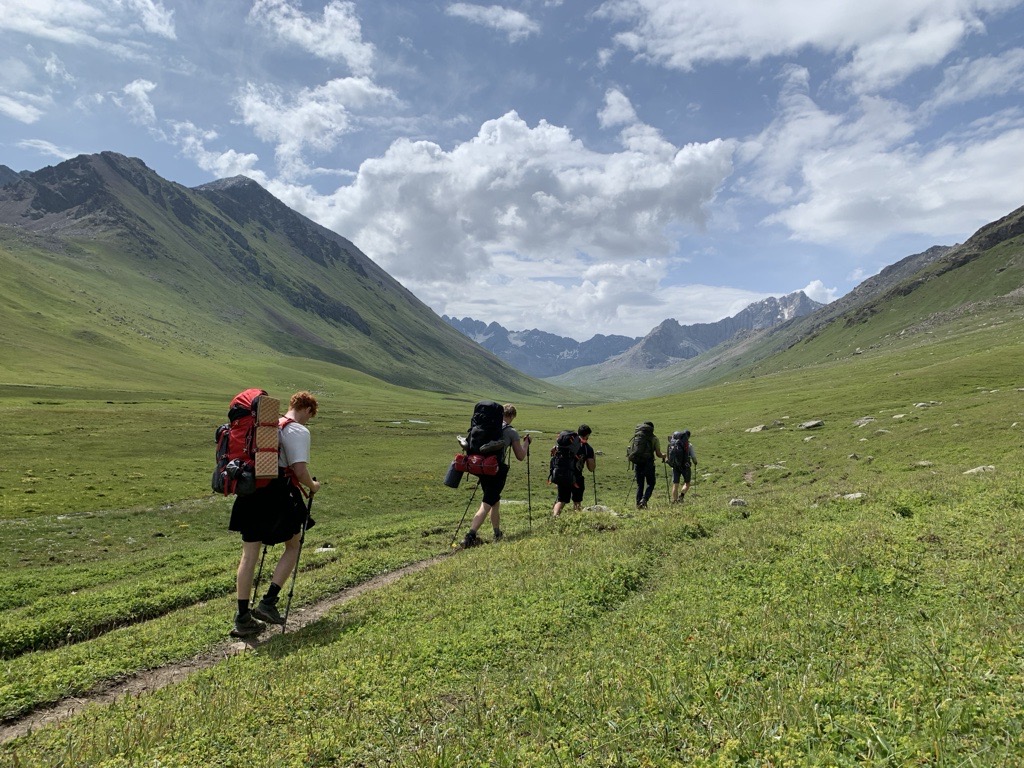
Heat-related illness, dehydration, fatigue and reduced performance can affect both participants and staff. Activities which previously presented little concern from a temperature perspective may now require additional planning, particularly during periods of prolonged hot weather, high-exertion activities and multi-day programmes.
The effects are not always obvious. Decision-making, concentration, physical performance and group management can all be affected before someone becomes visibly unwell.
A question for providers
“If the temperatures experienced during your busiest weeks became the norm, how would your programmes, staffing and supervision arrangements need to change?”
Things to consider
- Activity timing and scheduling – earlier start times, activity rotation during peak periods
- Using shaded environments where possible
- Hydration arrangements
- Participant clothing and equipment requirements
- Staff welfare and fatigue management
- Alternative programmes during periods of extreme heat
- Emergency response arrangements for heat-related illness
- Are water supplies sufficient?
- Are rest breaks scheduled appropriately?
- When should activities be modified or relocated?
- When should they stop entirely?
For many organisations, the challenge is not simply reacting to occasional hot days. It is considering whether operating assumptions developed under historically cooler conditions remain appropriate.
However, temperature is only one part of the picture.
Changing weather patterns are influencing water safety, environmental health risks, ground conditions, flooding, wind behaviour and winter environments. Collectively, these changes are creating a more dynamic and less predictable operating environment.
A question for providers
“Does your current risk management approach reflect the environment you’re operating in today—or the environment you operated in ten years ago?”
New water safety challenges
Warmer weather is encouraging more people to visit lakes, rivers, and coastal locations – often without a full understanding of the risks.
Across the UK, there is increasing concern around drownings during heatwaves, particularly in unmanaged or unfamiliar locations.
Growing interest in open water and “wild swimming” means that participants may be more confident around water, but not necessarily more capable of recognising hazards such as:
- Cold water shock
- Moving water
- Submerged obstacles
- Changing river or coastal conditions
- Entrapment hazards
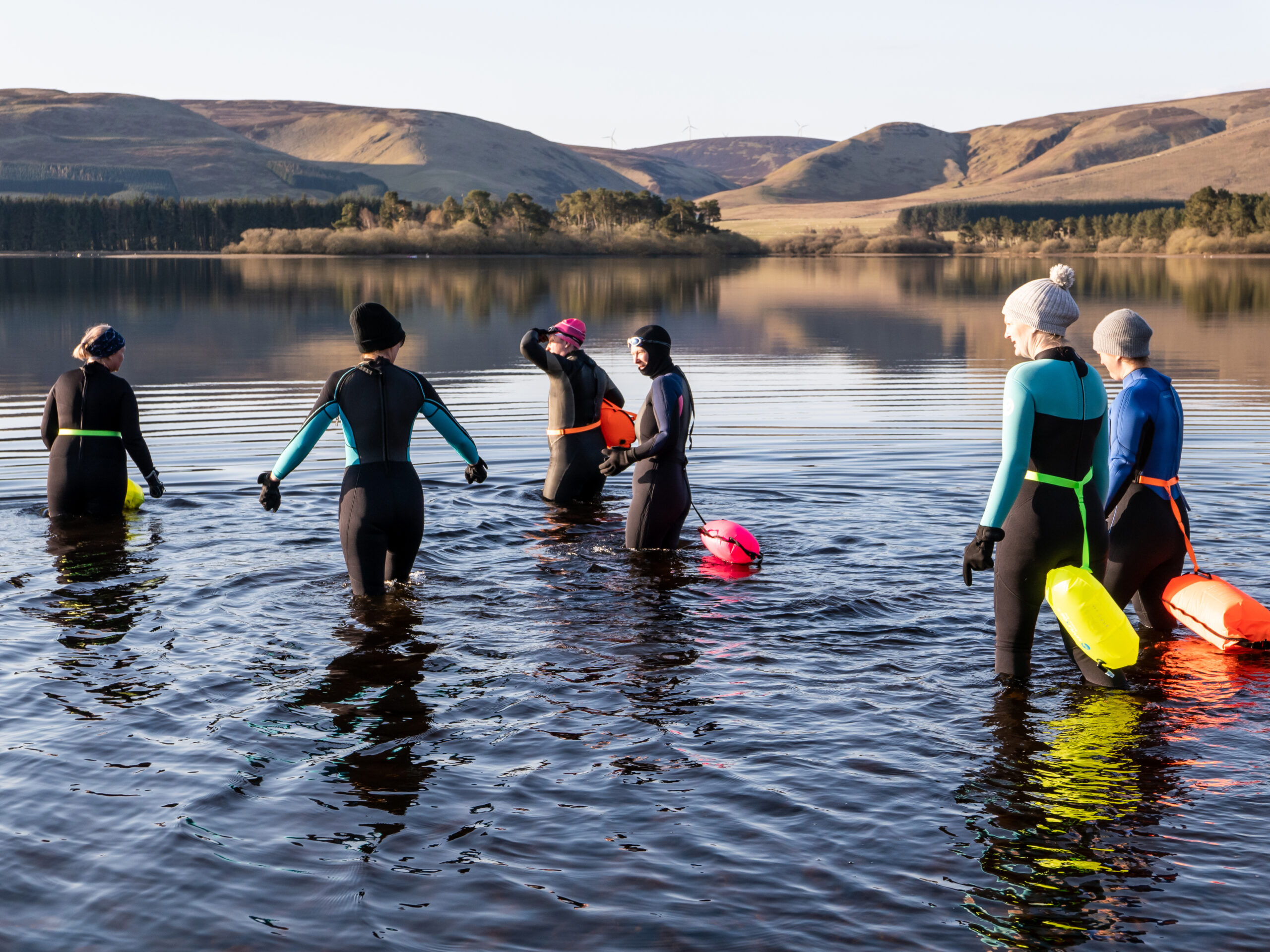
“Are participants arriving with the knowledge, behaviours and expectations you assume they have — or do you need to adapt your briefings and supervision accordingly?”
Things to consider
- Are participant briefings still addressing the risks people are most likely to underestimate?
- Have assumptions about participant knowledge and experience been tested recently?
- Do supervision models remain appropriate for changing participant behaviours and expectations?
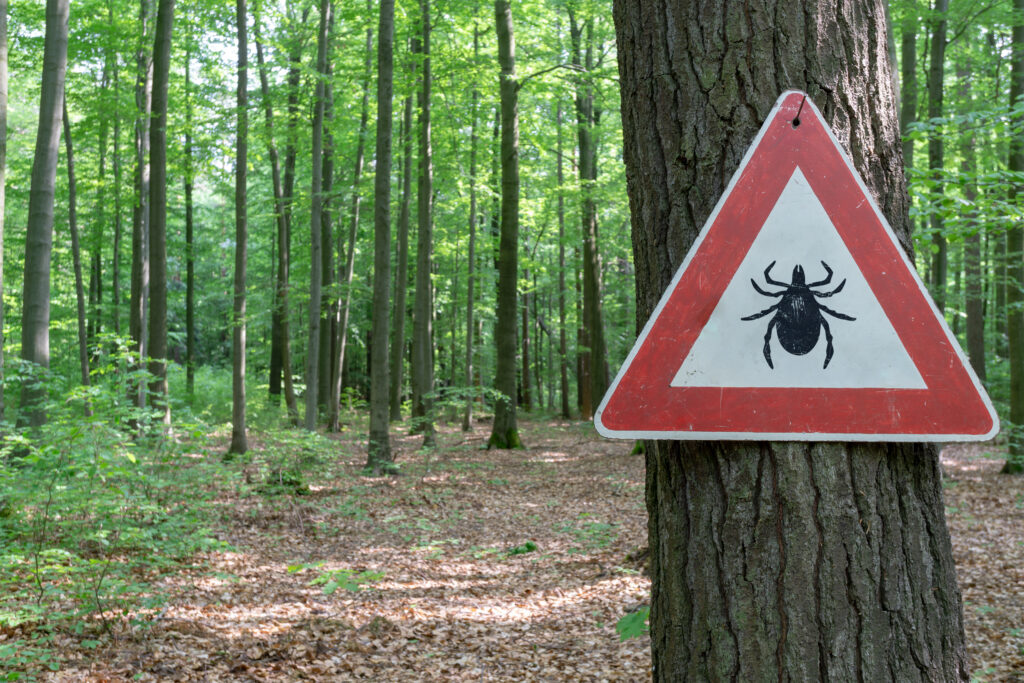
Vector-borne diseases: a growing consideration
Some of the most significant changes may be less visible.
Changing temperatures, ecosystems and rainfall patterns are affecting the distribution of ticks, mosquitoes, midges, sand-flies and other disease carriers leading to the emergence of vector-borne diseases.
Providers may wish to consider:
- Participant awareness information relating to tick exposure and insect-borne disease
- Prevention and reporting measures
- Staff training and understanding
- Post-activity guidance
- Recording and reporting procedures
As with many climate-related risks, this is not necessarily a new issue — but it may become a more prominent one.
Flash flooding and intense rainfall
Periods of heavy rainfall are becoming more intense and localised, increasing the potential for flash flooding, and rapidly changing conditions.
For activities such as:
- Gorge walking and canyoning
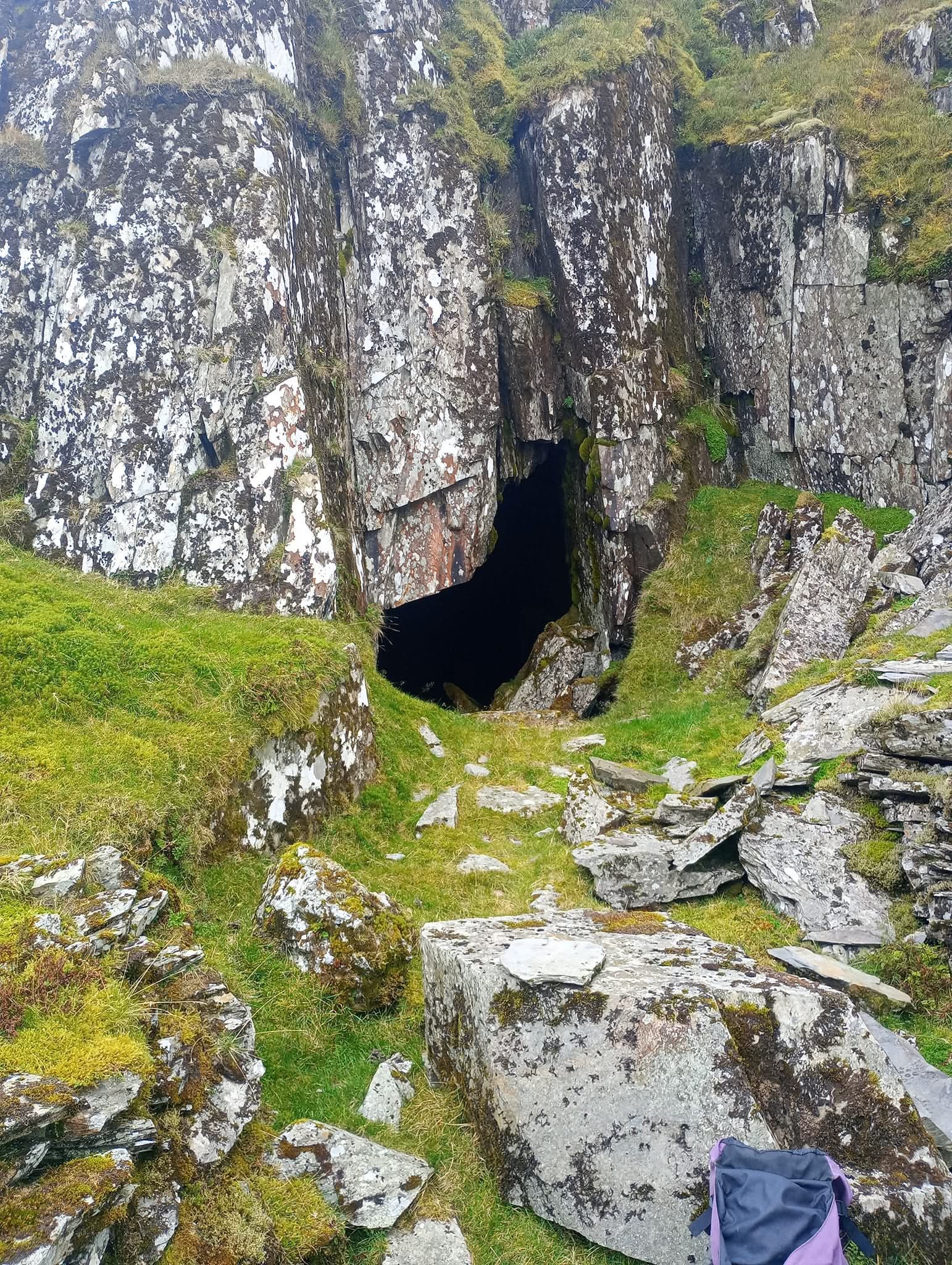
- Caving
- White water rafting
- River-based sessions
- Water margin activities
the implications can be significant.
Water levels can rise rapidly, flow rates can change dramatically, and environments that appeared manageable at the start of an activity can become hazardous within a very short period of time.
A question for providers:
“Do your systems support your instructors in deciding not to run an activity when conditions demand it?”
Things to consider:
Effective systems might include:
- Clear environmental operating thresholds
- Monitoring rainfall, river levels and upstream conditions
- Access to reliable sources of real-time information
- Pre-planned alternative activities
- A culture that supports pro-active decision-making
Strengthen water safety messaging
Particularly where participants may be influenced by wider trends in open water recreation.
Review flooding and rainfall triggers
- What conditions trigger a programme change?
- Who makes the decision?
- What alternatives exist?
Ultimately, the judgement and confidence not to run an activity can be just as important as the ability to deliver one.
Wind: less predictable, more impactful
Providers are increasingly reporting sudden and highly localised weather effects that can have significant operational consequences.
In delivery environments, rapidly changing wind conditions may:
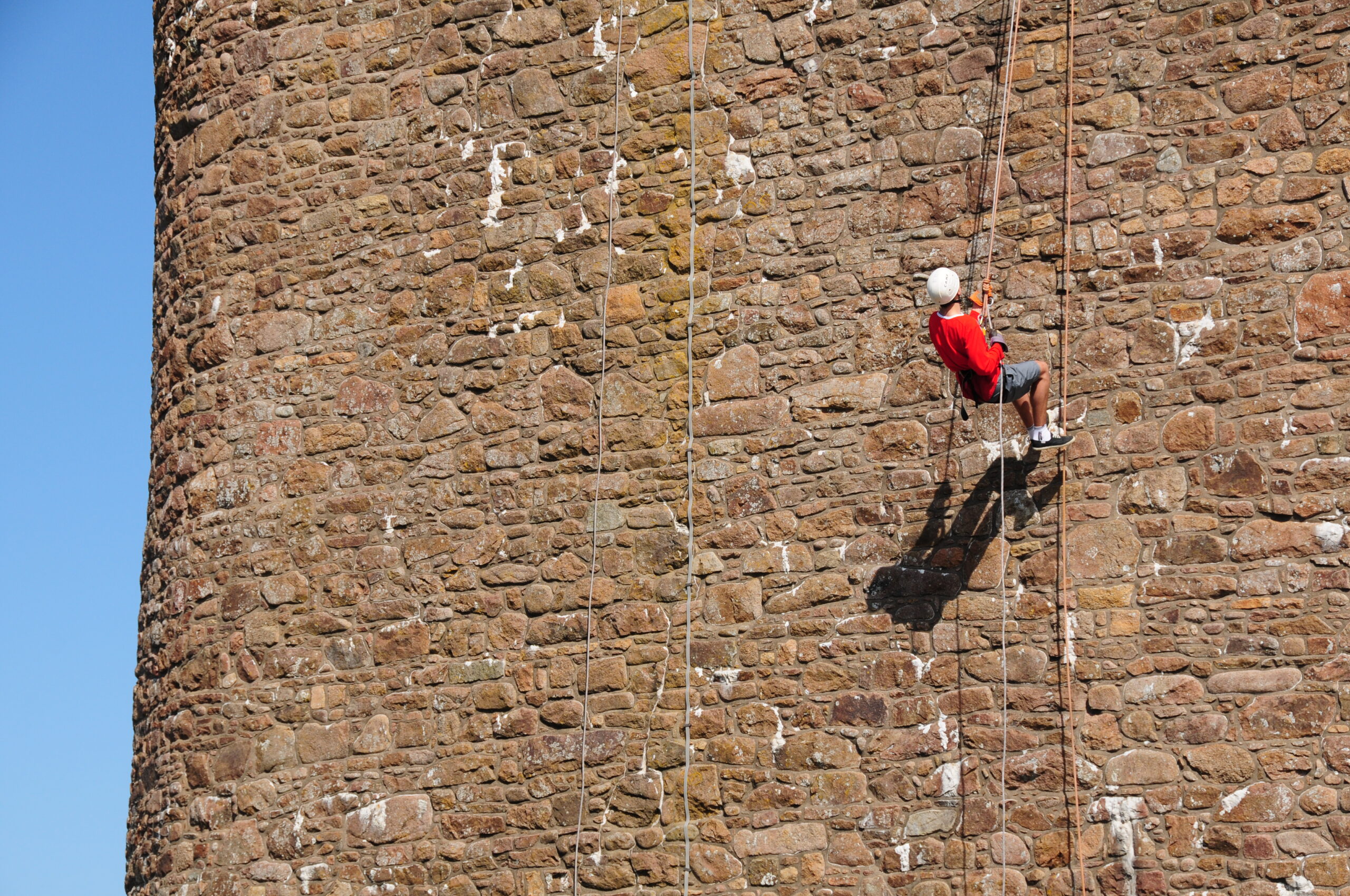
- Affect activities at height
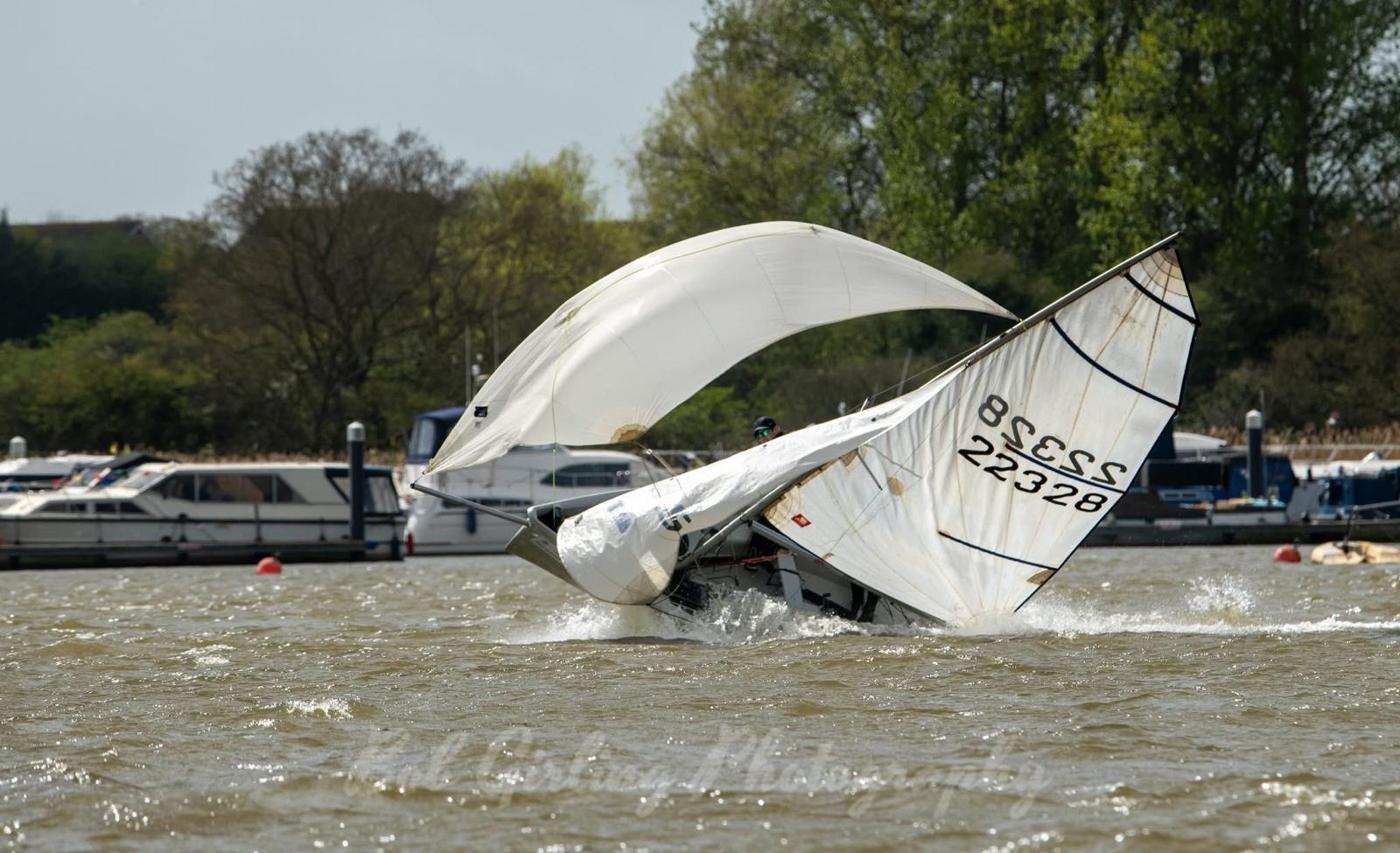
- Influence paddlesport and sailing operations
- Impact rescue arrangements
- Increase participant exposure and fatigue
In maritime environments, changing winds can leave groups unable to return safely or create conditions that exceed the capability of equipment, participants or instructors.
The challenge is not limited to stronger winds, but increasingly variable and less predictable wind behaviour.
Things to consider
- Do environmental operating limits remain appropriate?
- How confident are staff in recognising and responding to deteriorating conditions?
- Are weather monitoring arrangements providing the information needed to support timely decisions?
- Do contingency plans remain realistic under rapidly changing conditions?
Winter environments and avalanche risk
Climate change is also affecting winter environments in less obvious ways.
While overall snow cover may be reducing in some areas, avalanche risk is not necessarily decreasing.
Changing freeze-thaw cycles and temperature patterns can create unstable snow layers and more complex snow conditions. Environments that appear benign may contain hidden instability or change rapidly over a short period of time.
Recent reports from the Alps suggest that avalanche incidents are already reaching seasonal averages earlier in the winter, linked in part to unstable snowpacks and changing weather patterns.
For winter leaders and instructors, this raises important questions:
- Has my knowledge and experience, perhaps supported by a qualification, fully prepared me for these irregular conditions?
- Are my decision-making frameworks still valid?
- Do I need different or more current experience in genuine winter environments?
- How do I maintain competence when winter conditions are increasingly uncertain?
Competence in a changing environment
One theme runs through all of these examples. Climate change is altering the environments in which outdoor activities take place. As environments change, so too must the knowledge, skills and judgement of those working within them.
Experience remains invaluable, but experience based on historical conditions may not always provide all the answers. Organisations should consider how they remain informed, how staff maintain competence and how risk management systems adapt to emerging challenges.
Environmental change does not automatically create new risks, but it can alter the likelihood, consequences and management of existing ones.
A final thought
Effective risk management has always depended on understanding the environment in which activities take place.
Climate change simply reinforces that principle.
Providers do not need to predict every future challenge. They do, however, need systems that remain responsive to changing conditions, support good decision-making and encourage continual review of assumptions.
The outdoor sector has always adapted to change. The organisations best placed to respond to climate-related risks are likely to be those that continue to observe, learn and evolve alongside the environments in which they operate
Further reading:
- Mountain Weather Information Service (MWIS)
- Environment Agency river level monitoring
- Scottish Avalanche Information Service (SAIS)
- Duke of Edinburgh Award – Risk Management Guidance Useful, practical insights into programme planning, including environmental considerations https://www.dofe.org
- UK Health Security Agency guidance on vector-borne diseases HECC report – mosquitoes and vector risks https://www.gov.uk/government/publications/health-effects-of-climate-change-in-the-uk
- UK Climate Risk Assessment – Health Impacts (Heat & Disease) https://www.gov.uk/government/publications/uk-climate-change-risk-assessment-2022
- RNLI / Water Safety Advice Heatwave-related risk awareness https://www.rnli.org/safety
- Environment Agency Flood Information https://www.gov.uk/check-flooding

Scan to read online