


Balancing technology, safety management and educational outcomes
Tracking devices can play a valuable role in the safety management of adventure activities. However, they should support – not replace – robust planning, effective supervision, staff competence, professional judgement, and direct observation.
Changing expectations and evolving practice
The world of adventure education has changed significantly over recent decades. While the underlying level of inherent risk in many activities has not necessarily changed, perceptions of acceptable risk have evolved considerably.
Many young people now have less experience of navigating the outdoors independently. Their parents and carers may have limited experience of the outdoors, bringing greater concerns about risk and uncertainty.
Young people may also have less developed decision-making skills in unfamiliar environments, lower confidence in natural settings or additional needs that require more structured support.
This means activity providers are often expected to implement additional systems for supervision and safety management. As a possible consequence, adventure programmes may increasingly focus on on-site, lower-key, easily managed activities, rather than more remote or traditional off-site outdoor pursuits. Cost pressures may also contribute to this shift, but the overall effect is that young people’s adventure experiences are often more controlled than they once were.
Tracking devices
At the same time, location devices and tracking technology have become increasingly available, and are being used as part of safety management. Emergency signalling and location devices have been common in wilderness and ocean activities for many years, often proving invaluable in genuine emergencies. Falling costs, smaller devices, and the widespread GPS capability of mobile phones mean that tracking technology is now being used in a much wider range of adventure activities than ever before.
Educational value
A key purpose of outdoor adventure education is to provide opportunities for young people to develop confidence and problem-solving skills. In more remote settings, they may experience a sense of personal responsibility, isolation, and self-reliance. Experiences (such as expeditions undertaken without an adult immediately present) often provide powerful learning opportunities that can be difficult to replicate in other ways. Opportunities to make decisions, overcome challenges and operate independently are often central to the learning experience.
This can create an important tension
Being tracked or feeling watched or monitored brings a potential risk that some of the educational value associated with independence and ownership may be reduced.
At the same time, providers may understandably feel pressure to utilise available technology, particularly given the reassurance location technology can offer and the benefits it may provide in the event of an emergency. Parents and stakeholders may also increasingly expect such technology to be used, and in some cases may wish to activate options available to them, in addition to the actions of the provider.
Common uses observed by inspectors
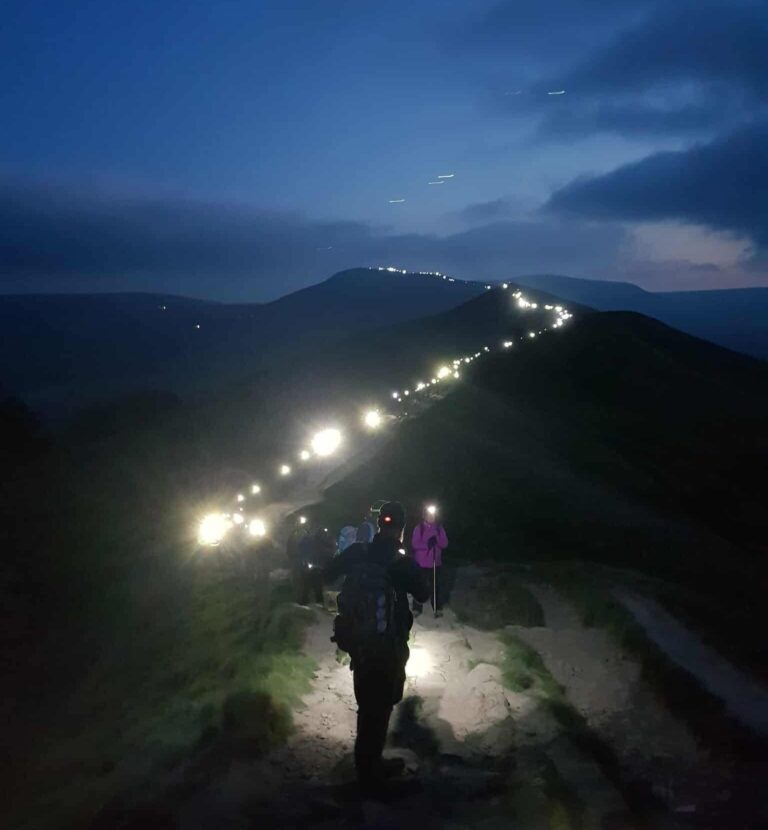
Inspectors often encounter providers who use some form of location device or tracker for groups or instructors, as part of their safety management arrangements. Common applications include:
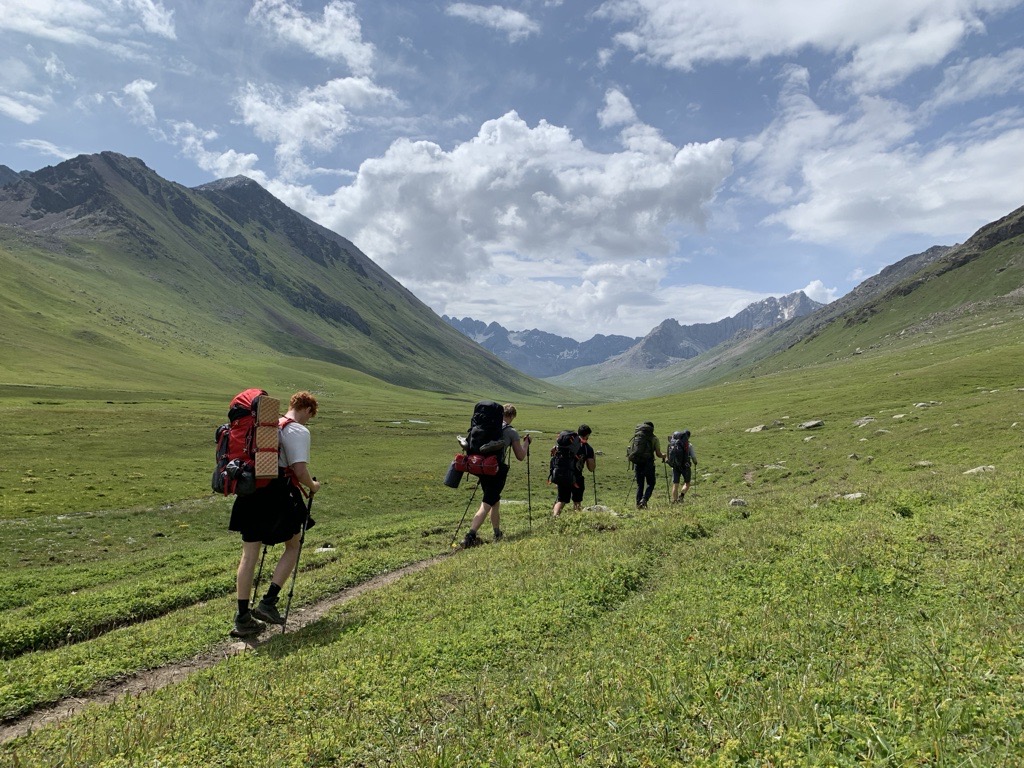
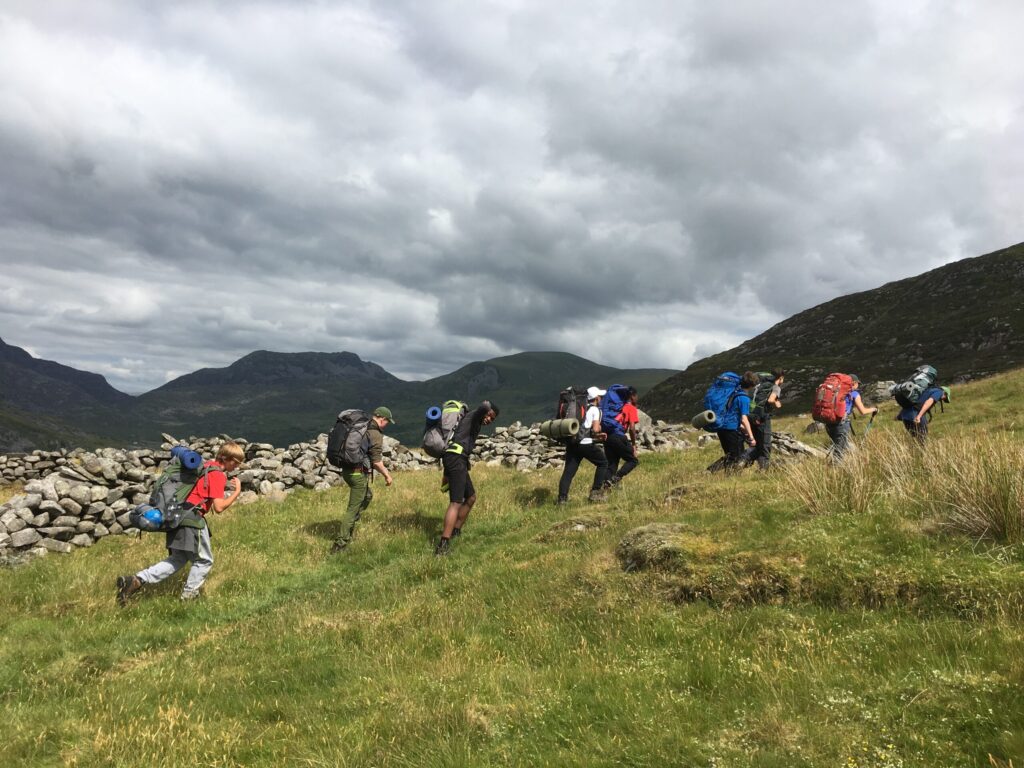
- Duke of Edinburgh and other remotely supervised expeditions
- ‘Ten Tors’ and similar challenge events
- Coasteering
- Sea-based paddle sports
- Activities at sea
Considerations for remotely supervised groups
For walking events, treks and similar activities involving young people, providers need to balance several considerations.
These include the benefits of being able to confirm a group’s approximate location alongside the potential impact on participant autonomy, decision-making and self-reliance.
Providers should also consider the practical limitations of tracking systems, including false alarms, inaccurate location information and the unintended anxiety that can arise when parents or supervisors monitor movements (or the lack of them) without sufficient context.
What inspectors will be looking for
While inspectors may take an interest in the ethical dimensions of tracker use and how providers manage parental expectations, the primary inspection focus must remain on overall safety management.
Where tracking systems are used to assist in the supervision of groups remotely, they should provide confirmation of a group’s location rather than become the primary source of safety information. They should be additional tools, not substitutes for the systems needed to run an activity safely.
Inspectors will want to explore the fundamental elements that underpin safe delivery, including:
- The preparation of participants
- Their training and ability
- Route selection and planning
- Escape routes and emergency arrangements
- Checkpoints and communications
- Supervision ratios
- Instructor competence and decision-making
The presence of tracking technology should not lead to a reduction in any of these primary controls.
It is important to recognise that tracking devices are not infallible. Devices that depend on a cellular network can lose signal, batteries can fail, and equipment can be switched off inadvertently, lost or damaged.
“Most importantly, no device can replace the professional judgement of an experienced instructor who is able to assess a group’s physical and mental condition, morale and capability and adjust plans accordingly.”
Questions for providers
As tracking technology becomes more accessible, it may be worth considering:
- Why are we using tracking devices, and what specific safety benefits do they provide?
- Does the use of tracking technology positively support/enhance our supervision model or decision-making processes?
- Could the use of trackers unintentionally and unnecessarily reduce opportunities for participants to develop independence and self-reliance?
- How do we manage expectations from parents, carers and commissioning organisations regarding tracking and monitoring?
- If the technology failed during an activity, would this significantly impact our existing safety management arrangements?
There may not be a single right answer to these questions, but they can help providers evaluate whether technology is supporting their objectives in a proportionate and effective way.
Conclusion
Whilst tracking technology offers clear advantages, and, in some circumstances may enhance an organisation’s ability to respond to an incident it is not, in itself, the measure of safe practice.
“The key question for providers is not whether tracking devices are used, but how, if they are, they fit within the wider safety management system.”
A well-considered approach will ensure that technology supports decision-making without replacing professional judgement, and enhances safety without undermining the educational objectives that make outdoor experiences so valuable.
Inspectors will continue to assess whether the provider has a coherent, reliable, and proportionate safety management system in which any tracking device is used appropriately as a part of a broader management framework.
Further guidance
Duke of Edinburgh’s Award Expedition Guide
RYA guidance on EPIRBs and PLBs
Paddle UK guidance on personal locator beacons
National Coasteering Charter safety advice for coasteering providers
Mountain Training guidance on remote supervision

Scan to read online