Incident reporting: who needs to know – and why?

Sharing information can help others benefit from your experience

Learning from accidents, incidents and near misses is a valuable way to strengthen safety across the adventure sector. The opportunities to do so are changing and expanding.

Several organisations have introduced new or easier ways to make reports and the Health and Safety Executive (HSE) has just launched a consultation on major changes to RIDDOR.

Some reporting is a legal requirement. Under the Reporting of Injuries, Diseases and Dangerous Occurrences Regulations (RIDDOR), providers must report specified injuries, dangerous occurrences and certain work‑related illnesses to HSE.

Beyond legal duties, there are valuable ‘good practice’ routes for sharing incidents and learning. The Institute for Outdoor Learning (IOL) continues to develop sector-wide mechanisms for voluntary reporting and shared learning. Many activity-specific organisations also provide opportunities to share information about incidents as a way to build collective insight.

There are more ways to report — and learn from — things that go wrong in outdoor adventure than most providers realise. Some are formal, some are voluntary, and some sit in the middle as sector‑led initiatives.
1. Statutory reporting

(legal requirements)

The HSE has launched a significant public consultation to modernise and clarify the rules, including proposals to update definitions, expand the list of dangerous occurrences, revise reportable diseases, and simplify the online reporting form to reduce both under‑ and over‑reporting.

These changes aim to make reporting clearer, more consistent and more reflective of modern risks.

2. Sector‑wide voluntary reporting

These routes are not mandatory but are increasingly supported — and extremely valuable.

Institute for Outdoor Learning (IOL) – ‘Collective Knowledge Project’

A major UK‑wide initiative developing a sector‑wide incident‑reporting and participation snapshot system. Its aim is to identify trends, curate learning, and share knowledge and information widely across the sector.

A research‑driven report marks the conclusion of Phase 1: Collective Knowledge – Evidencing the practice that keeps people safe’. Its aim is to collect and analyse incident data across the UK adventure sector, addressing challenges like workload, liability, and harmonising data fields across activity types.
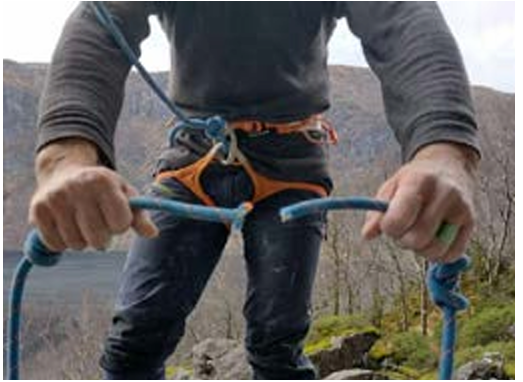
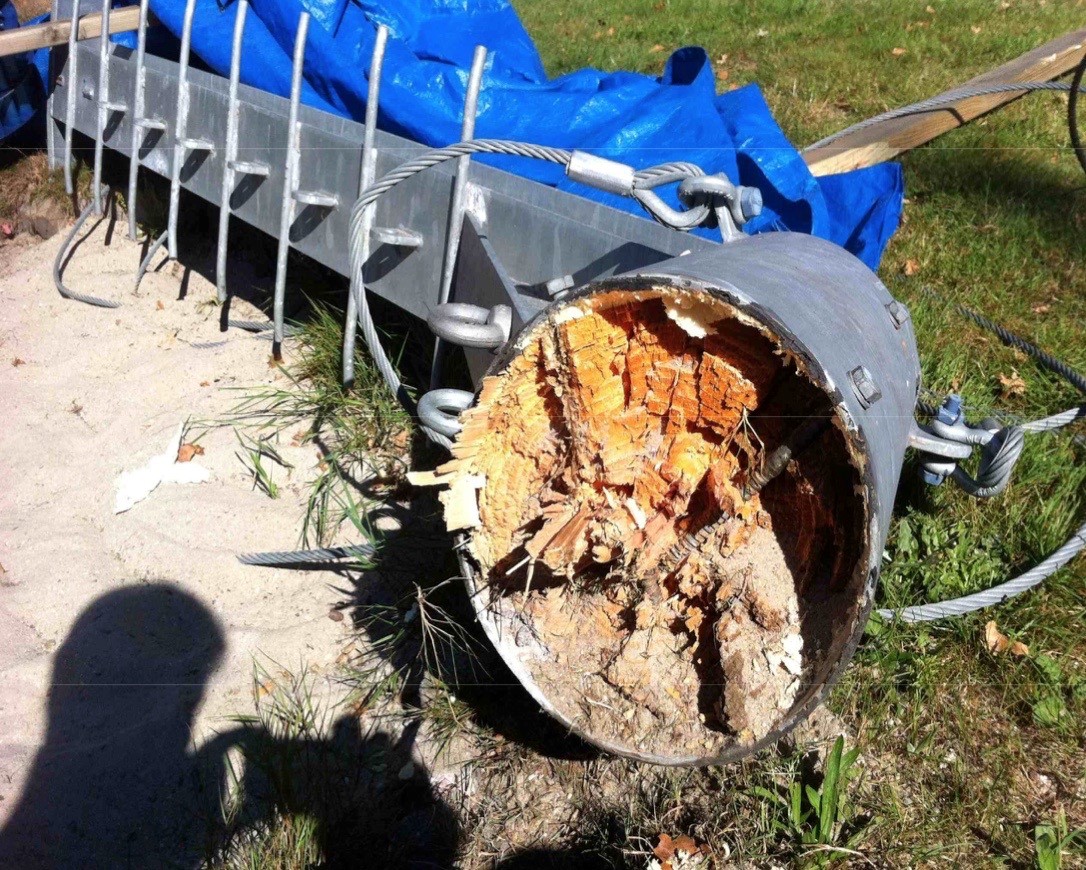
It can be tempting to describe incidents and near misses as unique or ‘one-off’ but often the same or similar events have happened elsewhere. An awareness of the occasions when climbing ropes have failed or high ropes structures have collapsed, for example, can help others avoid similar incidents.  

3. Activity‑specific reporting schemes

Some governing bodies and other associations also provide reporting systems, often focused on near misses as well as accidents:

BMC Incident & NearMiss Reporting — The BMC Incident and Near Miss Reporting system is a collaborative effort between the British Mountaineering Council and Mountaineering Scotland to enhance safety in the UK and Ireland. The system allows individuals to report near misses and incidents, to promote learning and improve safety practices. The system is designed to encourage community engagement, educate new climbers, and provide valuable lessons from past experiences.

Paddle UK, British Stand Up Paddle Association & Surfing England – This online incident reporting system is open to all (members & non-members) and provides an opportunity to report safety or access issues occurring during all paddling and surfing activity. The intention is to use reports to help understand the types of incidents which occur, spot trends and inform guidance which addresses safety issues and concerns. The emphasis is on learning from what may have gone wrong, to try and prevent similar accidents happening in the future.

The Royal Yachting Association, British Caving Association, Mountain Training & Association of British Climbing Walls — all have mechanisms for reporting and sharing learning focusing on the activities they support or promote.
When adventure meets the law: the Grossglockner trial

What does the Grossglockner tragedy mean for adventure leadership?

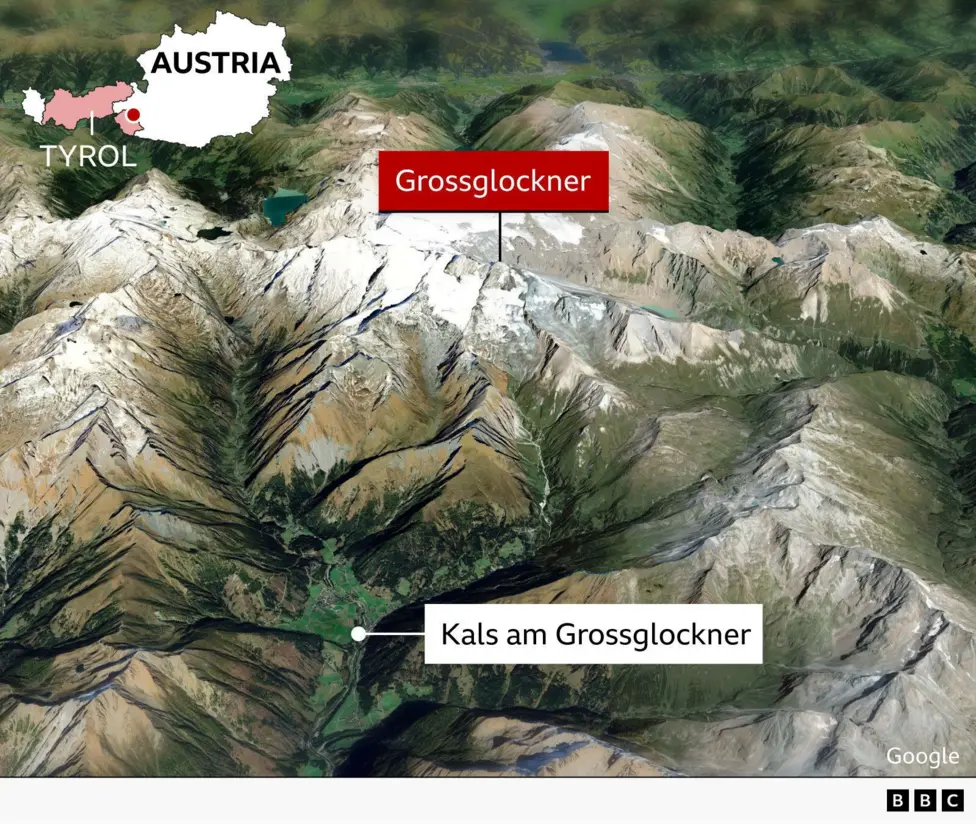
An Austrian climber, Thomas P, has been found guilty of gross negligent manslaughter. The trial, following the death of 33-year-old climber Kerstin G on the Grossglockner in January 2025, has captured the attention of mountaineers and outdoor professionals across Europe.

Read the full BBC article here

It is a deeply human tragedy: a woman who loved the mountains lost her life to hypothermia near the summit of Austria’s highest peak; her partner, Thomas P, has now been convicted of gross negligent manslaughter.

Beyond the courtroom, the case has prompted a wider conversation about responsibility, judgement, and the boundaries of criminal liability in adventurous activities.

A climb that went fatally wrong

According to prosecutors, the couple set out late, in challenging winter conditions, on a route at altitude, and of a level of difficulty that Kerstin had not previously attempted. They argued that Thomas, the more experienced mountaineer, effectively acted as the ‘responsible guide for the tour’ and made a series of poor decisions: allowing unsuitable footwear, carrying insufficient emergency equipment, and failing to turn back when winds reached 74 km/h and temperatures dropped to –20°C with windchill.

The defence disputed this characterisation, insisting the pair planned the ascent together, were fit, experienced, and progressing well until Kerstin suddenly became exhausted near the summit. From there, accounts diverge sharply: prosecutors say he delayed calling for help and left her unprotected; the defence says he sought help as soon as the situation deteriorated and did everything he could.

What is uncontested is the outcome. Kerstin died alone on the mountainside while rescue teams were unable to reach her due to severe weather.

Why this case matters for the adventure sector

For many in the outdoor community, the verdict raises a difficult question: when does a tragic misjudgement become a criminal act?

The guilty verdict could set a precedent in Austria—and potentially influence thinking elsewhere—about the extent to which a more experienced participant becomes legally responsible for a less experienced companion, even in informal, non-commercial settings.

Our perspective as the UK’s adventurous activities safety inspectorate

Adventure RMS approaches cases like this with care and humility. We do not comment on specifics, but we can reflect on the broader themes that resonate across the sector.

Competence, assessment of risk, and dynamic decision-making are the backbone of safe adventure.

Whether in the UK or abroad, leaders—formal or informal—carry a responsibility to match the demands of the activity with the capabilities of the group. That responsibility is not about eliminating risk; it is about managing it with clarity, honesty, and foresight.

For UK providers and leaders, the trial and verdict are a reaffirmation that these points remain essential:

  • competence – of those planning, delivering and undertaking the activity
  • assessment of risk
  • ongoing decision making
  • clear communication

These principles protect participants, support leaders, and uphold the integrity of adventurous activities.

The verdict, and the conversation it has sparked—about responsibility, competence, and the ethics of leadership in high-risk environments—is one all thoughtful leaders will no doubt continue to engage with.

Recurring inspection themes

Water quality & weather conditions

Thoughts from Adventure RMS Inspector Jan Bailey

Over many years of inspecting applications for an Adventure Activities Licensing Authority (AALA) licence, I’ve noticed a curious pattern—what I call the ‘London Bus’ syndrome. You don’t see a particular issue for ages, and then suddenly, it pops up again and again during application reviews.

Sometimes the reason is obvious: an accident, a report, a news item, or even a conversation among activity providers or inspectors can raise awareness. At other times, it is a mystery. But regardless of the cause, recurring themes do emerge—and I thought it might be useful to share some observations.

For this short article, I’m focusing on two issues that cropped up frequently in 2025. Neither is new, but both have been front of mind for providers and inspectors lately.

Water quality: are you prepared?

Living in Devon, I am regularly reminded of the risks posed by contaminated water. Local news stories often report discharges into the sea and rivers, algal blooms in lakes, and cases of leptospirosis in canals. While it should not take a headline to prompt action, these stories do serve as timely reminders.

From a safety management perspective, water quality should be treated as a hazard—a risk to both staff and clients. As with any other foreseeable and significant hazard activity providers are expected to have control measures in place which will reduce these to an acceptable level. I’ve highlighted the kinds of questions inspectors tend to ask, so you can reflect on your own responses:

  • Do you monitor alerts from your local Water Authority or other relevant organisations?
  • What is your plan if contamination is reported?
  • Do you check testing results for lakes and rivers you use?
  • Are you aware of what other providers in your area are doing?
  • Do your staff know how to respond if they notice contamination during a session?

These are not just theoretical questions—they are the kind inspectors are likely to ask.

The Royal Yachting Association (RYA) and Paddle UK are both providing useful information and practical guidance about water quality, perhaps recognising the challenges providers face. This is freely available to everyone:

RYA: Water Quality Guidance | Environment & Sustainability

Paddle UK: Water Quality – Don’t get sick doing what you love | Paddle UK

Weather conditions: what’s your cut-off?

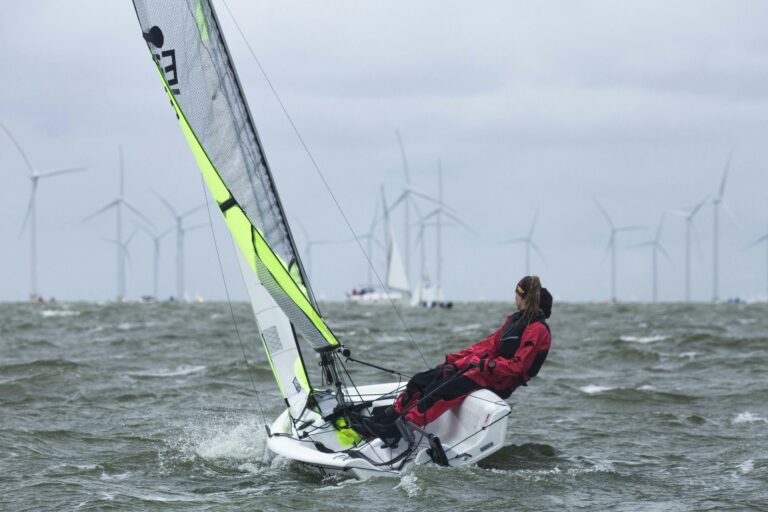
Weather-related risks are another recurring theme. Think wind direction and strength, lightening, heavy rain, water temperature, and rising water levels. Inspectors often ask about the conditions that would lead you to curtail, modify or cancel an activity.


Some prompts to reflect on:

  • What wind strength and direction combinations would cause you to cancel or relocate?
  • How do you measure wind strength—forecast, on-site checks, both?
  • What is your threshold for river height before limiting gorge walking?
  • How cold is too cold?
  • Go / No go – who decides and when?
  • What is your protocol if conditions worsen in the lead-up to, or mid-activity?
  • Do instructors know what to do, and do they have a realistic alternative ready?
  • Does what you do, match what you say you’ll do (your operating procedures and/or risk assessments)

Again, these are not boxes to tick—they are part of a broader framework for sound decision-making.

‘I’m not sure what the hot topics of 2026 will be, but given our changing climate, water quality and extreme weather are likely to remain as reoccurring themes!’

Who does what: HSE, AALA & Adventure RMS

How the HSE, AALA and Adventure RMS work together.

If you are an adventure activity provider or a user of activity providers, navigating the licensing and inspection landscape can feel complex.

🔹Adventure Activities Licensing Authority (AALA)

The Adventure Activities Licencing Authority (AALA) was established by the Activity Centres (Young Persons’ Safety) Act 1995, following the Lyme Bay canoeing incident in 1993.

The Act led to the creation of a statutory licensing scheme to ensure minimum safety standards in adventure activities for young people.

The AALA was set up to implement the licensing scheme and apply the Adventure Activities Licensing Regulations.

AALA logo

Back to 1996

Initially, Tourism Quality Services (TQS), a not-for-profit company based in Cardiff were designated as the AALA and exercised all the functions required by the Adventure Activities Licensing Regulations. This changed, when on 1st April 2007 the HSE were designated as the AALA, but they contracted TQS to operate as the Adventure Activities Licensing Service (AALS), who continued to provide most of the administrative and inspection functions on behalf of the HSE.

From 2020

On 1st April 2020 the HSE took most of the functions of the AALA in-house, and AALS ceased to exist. The HSE appointed a contractor to provide the specialist inspectorate services required to conduct reviews of licence applications. The appointed contractor was, and remains, Adventure RMS.

The AALA’s role is defined by the Adventure Activities Licensing Regulations 2004, which give it powers to grant, refuse, vary, or revoke licences for providers offering licensable adventure activities.

It is important to note that AALA’s powers are limited to licensing decisions. It does not enforce broader health and safety law—that responsibility lies with the HSE or your Local Authority, depending on your business type and activities.

🔹 Adventure RMS

Adventure RMS was initially awarded the contract to provide inspection services for the AALA by HSE in 2020 and was re-awarded the contract following a further competitive tender process in 2025.

We do not issue licences or enforce regulations—but we play a significant role in the licensing process.

‘Adventure RMS is committed to supporting providers in delivering safe, well-managed activities. Our role in the context of the AALA licensing scheme is to conduct application reviews which are robust, proportionate and efficient.’

Our responsibilities include:

  • Reviewing licence applications passed to us by the AALA
  • Carrying out application reviews to assess safety management systems
  • Submitting a report and licence decision
  • Offering subject matter expertise when needed

What this means for you

If you’re a provider of licensable activities:

  • You apply for a licence and pay your fee through the AALA website.
  • We will review your application once we receive it from AALA.
  • Our application review informs the licensing decision—but we do not issue licences or enforce health and safety law.

Our AALA FAQs page can help answer some other questions you may have.

‘Mixed fleets’: a new era in off-road cycling

In the world of off-road cycling, the term 'mixed fleet' is gaining new relevance.

Jon ‘Spike’ Green shares his thoughts..

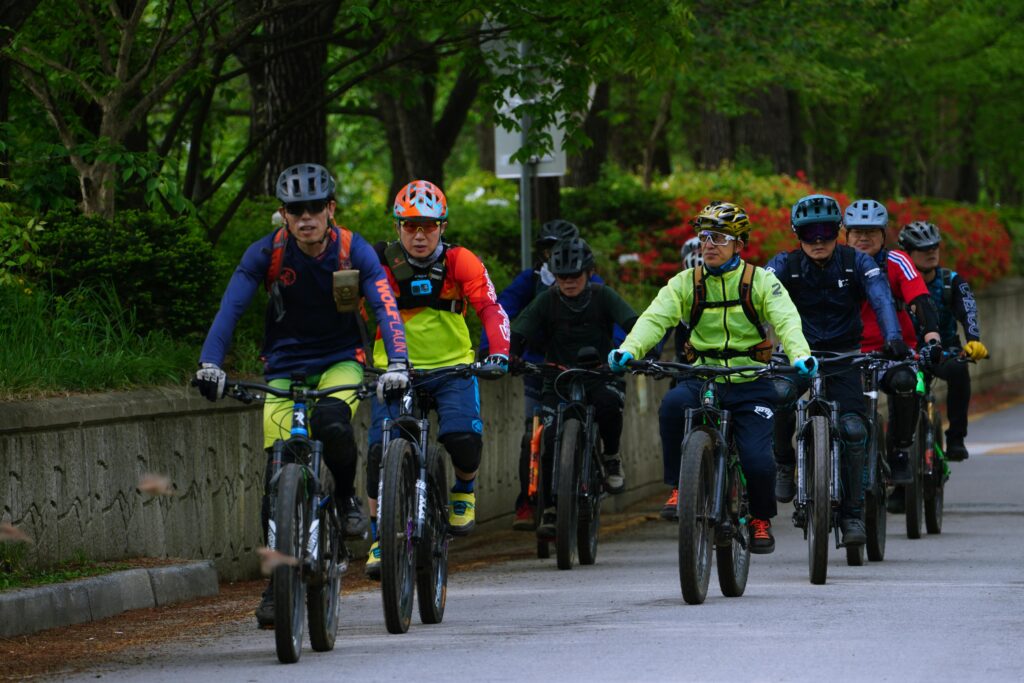
Traditionally, the term ‘mixed fleet’ referred to the challenge of managing varied fitness levels within a group. Today, it also encompasses the growing blend of electric (E-Bikes) and (what I still insist on calling) acoustic (A-Bikes) riders. Both present unique dynamics—and opportunities—for group leaders.

Managing mixed fitness levels

This has been a challenge for Mountain Bike (MTB) leaders since the beginning. Success in outdoor activities isn’t just about physical ability; it’s about exploring different competencies and helping individuals shine in new ways.

Set the pace as the leader

I inform the group that I set the pace because I am the most experienced rider.

If the pace is too fast or slow, that’s a deliberate choice on my part—this helps to take the focus away from the least fit members of the group (funny how my ‘expert’s pace’ usually matches the least fit rider after a bit of trial and error).

Think about the briefing

Consider a briefing that includes a discussion about what a ‘successful’ ride looks like:

  • Safe behaviours
  • Sticking together
  • Good communication between riders
  • Pre-empting issues
  • Good navigation
  • Sharing the trails with others
  • Environmental issues
  • Teamwork
  • Positive attitudes

None of these depend on fitness, pre-existing confidence or competencies.

Praise the right things

Public praise should focus on the above criterion i.e. behaviour and attitude. Praise for fitness or skill is good too – but maybe do that privately.

 Introduce Equity vs Equality

Equality: everyone gets the same.  

Equity: everyone gets what they need to succeed.

Mixed fleet riding—whether by fitness or bike type—is here to stay. It is complex, but it is also an opportunity to rethink how we lead, support, and inspire.

Leader positioning

Front

Use the front to control pace and limit speed on an ascent or descent.

Mid/rear fleet

This position is good to chat, encourage, observe, reassure, gain information, and make sure everyone gets your time, care and attention.

E-Bike/A-Bike Mixed Fleet

This is a newer challenge which brings with it different management strategies.

On the ride
Everything above still applies but here are some added considerations:

Temperature regulation
An important safety consideration. A-bikers may be working way too hard and be subject to exhaustion or overheating. E-bikers may get cold from waiting or lack of exertion. When you stop to rest, the A-bikers can freeze due to having sweaty, wet clothing.

‘Chasing’ behaviour
Fit A-bikers might push too hard to keep up with E-bikers. Even in a uniform fleet, less fit riders may feel compelled to chase the fitter ones—with the same risk of exhaustion, dehydration, and a combination of over-heating/freezing.

Clothing choices
This more complex combination of freezing/overheating/sweating will need consideration when discussing clothing to be worn or carried.

Risk management
You’ll need to tailor your plans for emergency preparedness too. ‘Chasing’, too hot, too cold, exhausted, too sweaty will all impact a person’s ability to concentrate, with the inevitable impact on the overall safety of the ride.

Our new website is live and easier to navigate

Refreshed brand, same company

We’re delighted to share that our refreshed Adventure RMS brand and new website are now live. This update is more than a visual uplift — it’s based on feedback from our community, and reflects our commitment to clearer communication, better sector support, and a more intuitive experience for the organisations we work with.

Easier navigation to the most visited pages

The new site has been shaped by extensive provider feedback and our own insights from working across the adventure industry. You’ll notice faster, cleaner navigation that helps you get straight to the information you use most. Our updated structure brings together licensing guidance, sector insights, and wider support services in a way that’s easier to explore and offers greater clarity about how we work.

New library function

A key addition is our new library page. With improved filtering and clearer categorisation, it gives us a stronger platform for sharing what we’re seeing across the sector — from safety themes to recommended reading and inspector perspectives. As the volume of guidance and commentary grows, this space will become an increasingly valuable resource for organisations working in the adventure sector.

Consultancy services

There’s a clearer explanation of the wider services we provide across the sector alongside inspectorate services to licensing schemes. Explore our dedicated pages for Consultancy.

Licensing

We’ve also refreshed our AALA licensing FAQs and application information, making the process easier to understand whether you’re applying for the first time or renewing. Alongside this, you’ll find clearer explanations of the respective roles of HSE, AALA and Adventure RMS — an area providers consistently tell us can feel confusing.

This launch marks the first step in a wider programme of improvements in how we communicate and support the sector.

Over the coming months, we’ll continue to expand our resources, insights and updates to help organisations remain current and up-to-date.

Explore the new site and let us know what you think at info@adventurerms.org.uk

And if you haven’t already, sign up for our Safety Management Updates and regular newsletters to stay connected with the latest developments.

Adventure RMS Logo